


Page 26 - Francis Cotes - A winning end-game
P. 26
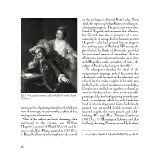
Fig 9. WILLIAM HOGARTH, Mr and Mrs Garrick, Royal    on the prologue to Samuel Foote’s play Taste,
Collection.                                          while she tiptoes up behind him to steal his pen,
                                                     a loving interruption. The great actor was a close
artists produced paintings that showed a different   friend of Hogarth, and one senses their affection,
view of marriage, as a partnership, a place of fun,  but Garrick was also a promoter of a more
teasing, joint achievement.                          natural style of acting. In this domestic portrait
                                                     Hogarth – who had painted him on stage in
 One of the earliest and most charming, often        the striking pose of Richard III seeing the
mentioned in this context, was William               ghost before the Battle of Bosworth - provided
Hogarth’s portrait of David Garrick and his          his own visual version of ‘naturalism’. It is an
actress wife Eva Maria, painted in 1757, (Fig.       affectionate, personal portrait but also, as so often
9. Royal Collection) showing Garrick, at work        with Hogarth’s work, a manifesto of ‘taste’, the
                                                     subject of Foote’s play lying on the table.4

                                                        In subsequent decades the ideal of the
                                                     companionate marriage, indeed the notion that
                                                     a husband could be emotionally educated, and
                                                     refined, by the tender insights of his wife, was
                                                     fuelled by the cult of sentiment, or sensibility.
                                                     Couples now strolled out together, or shared an
                                                     interest in books, and art –there are innumerable
                                                     paintings of the husband gesturing towards some
                                                     book, or sculpture, while his wife bends her
                                                     head in interested approval. Cotes had already
                                                     painted one successful double portrait of a
                                                     married couple, the more mature and solid-
                                                     looking M r. and Mrs. Thomas Crathorne,
                                                     1767 (Fig. 10. Huntington Library and Art
                                                     Gallery), showing Thomas, in van Dyke dress,

                                                     4. Jenny Uglow, Hogarth: A Life and a World (1997), pp. 588-90

26

