


Page 18 - Francis Cotes - A winning end-game
P. 18
the expulsion of John Wilkes.1 He and his wife
Honoria had six sons and eight daughters;
Penelope was the third of these girls, well able
to compete with her many brothers and sisters -
perhaps even beating them at chess? After
Honoria’s death in 1769, the year this portrait
was exhibited, Glynne would marry the
children’s governess, Augusta Beaumont,
another bold, unconventional gesture.

 With their connections in the counties and in
parliament, the young Welbys were as perfectly
at home in London society. They clearly gave
their permission for Cotes to display his
delightfully intimate painting at the inaugural
Royal Academy exhibition in 1769, aware that
it would be seen by large and curious crowds.

    lll

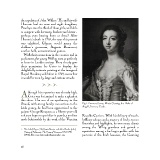
Although his reputation was already high,                      Fig 1. FRANCIS COTES, Maria Gunning, the Duke of
     Cotes was determined to make a splash at                  Argyll, Inverary Castle.
this show. The son of an apothecary in the
Strand, with strong family connections to the                  Rosalba Carriera. With his delicacy of touch,
Irish gentry, he had been apprenticed to the                   brilliant colours and a mastery of lively rococo
painter George Knapton as a fifteen-year-old                   flourishes and highlights, he won many clients
and soon began to specialise in pastels, a medium              among the Whig grandees and gained a
made fashionable by the work of the Venetian                   reputation among a far larger public with his
                                                               portraits of the Irish beauties, the Gunning
1. ‘Sir John Glynne’, Sir Lewis Namier and John Brooke (eds.)
   History of Parliament; The House of Commons 1754-1790
   (1964). Also www. historyofparliamentonline. org

18

