


Page 66 - Giovanni Benedetto Castiglione - Visions and Ecstasy
P. 66
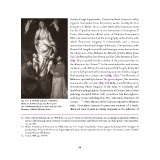
Fig. 21 G.B.CRESPI called IL CERANO                Battista Crespi in particular. Cerano had been a favourite of his
Madonna dei Miracoli of Santa Maria presso         region’s Franciscans from his earliest works, notably his first
San CelsoVenerated by Saint Francis and San Carlo  altarpiece in Milan, the so-called Votive of the Franciscan Saints
Borromeo, Galleria Sabauda,Turin.                  for the Capuchin church of the Immaculate Conception.30
                                                   Later, effectively the official artist of Federico Borromeo’s
                                                   Milan, he invented much of the iconography of San Carlo, with
                                                   which Franciscan imagery is intertwined, and a virtual
                                                   taxonomy of devotional images of the saint. One variation, with
                                                   Francis full-length, in profile, and bearing a cross, derives from
                                                   the altarpiece of the Madonna dei Miracoli of Santa Maria presso
                                                   San CelsoVenerated by Saint Francis and San Carlo Borromeo atTurin
                                                   (Fig. 21), so parallel to the relation of the present picture to
                                                   the altarpiece for Osimo.31 In the most subjective and intense
                                                   variation, in the Brera, the saint appears half-length, thinly laid
                                                   in over a dark ground with coruscating accents of white, ravaged
                                                   flesh passing into ecstatic spirit (Fig. 22a).32 Emblematic of
                                                   Milanese spirituality between the great plagues, this variation
                                                   saw innumerable versions (Fig. 22b Milan, Castello Sforzesco),
                                                   determining future imagery of the saint in Lombardy and
                                                   doubtless reaching Liguria. An inventory of Giovan Carlo Doria’s
                                                   paintings compiled before 1621 records no less than eighteen
                                                   works by Cerano including item 355,‘Hun Santo Francesco del
                                                   Cerano…’33 More than an earlier Genoese response to Milanese
                                                   style, Gioacchino Assereto’s numerous versions of a stark,
                                                   distorted Saint Francis in ecstasy demonstrate the influence of

31. Turin, Galleria Sabauda, inv. no. 464; ibid., cat. no. 87. Rosci records two derivations, one seemingly autograph in a Milanese
    private collection and a more elaborate version by Cerano’s brother and follower,Ortensio, in aTurin private collection (ibid.,
     cat. no. 89).

32. Milan, Pinacoteca di Brera, inv. no. 1006; ibid., cat. 152. Rosci remarks that ‘rimane questo il prototipo delle immagini ‘di
     pietà privata’ del secondo decennio, di grandissima fortuna, documentata dal numero di copie e derivazioni’, some of which
     he describes and illustrates.

33. Genoa 2004, pp. 192-95

                                                   66

